
Press Molding of Molten Glass
Your Reliable Glass Fabrication Solutions Expert
Custom Molding Pressed Glass
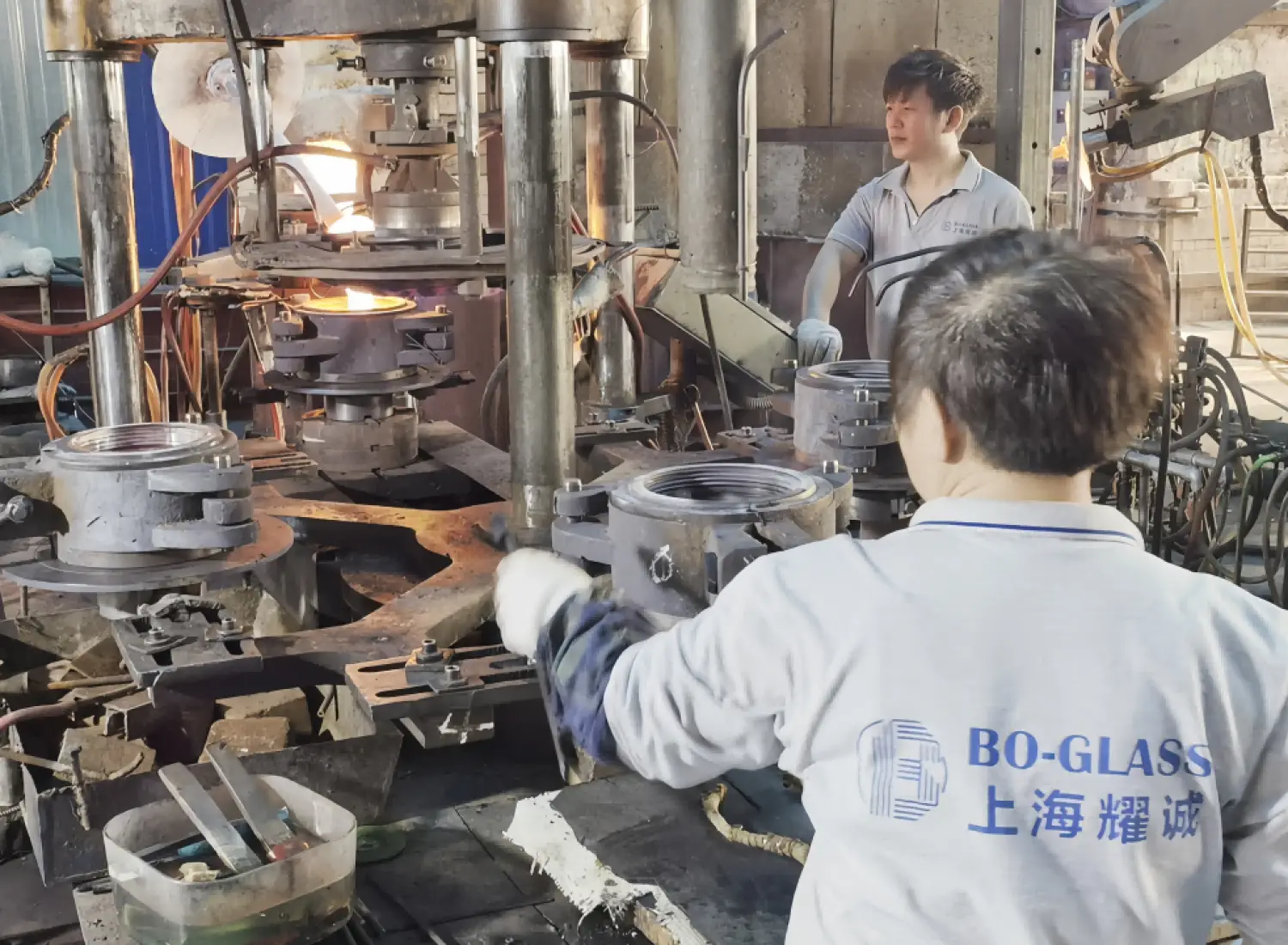
Pressed glass is formed into a specific shape by forcing molten glass into a mold. The process involves placing hot, pliable glass into a mold and then pressing a plunger into the desired shape, filling every detail of the mold. After forming, the glass is allowed to cool and solidify. Pressed glass is known for its ability to replicate intricate patterns and designs. It is, therefore, often used to produce decorative items such as glassware, tableware, bowls, vases, and ornate glass plates. In addition, this technology is highly regarded in automotive applications, such as manufacturing headlamp lenses, headlamp lens covers, and headlamp plastic covers that require precise and consistent shapes.
Our production process
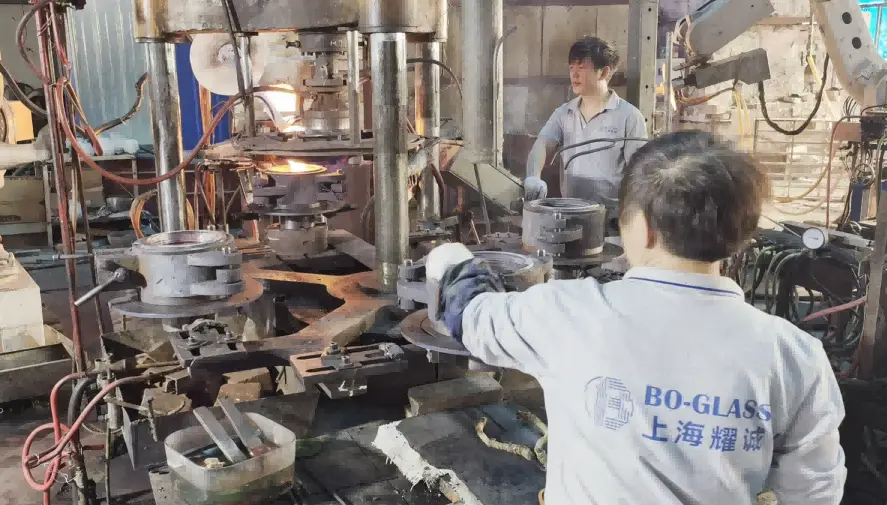
BO-GLASS specializes in customized glass molding services, offering end-to-end solutions from prototype development to mass production. Our China-based facility features a 10-ton daily capacity borosilicate glass furnace, in-house tempering ovens with high-pressure air quenching systems for rapid cooling, and comprehensive post-processing equipment including precision cutting, polishing, and grinding. We deliver high-quality glass components of any size or complexity, supported by expert technical guidance, optimized production workflows, and seamless design-to-manufacture transitions, ensuring efficient project execution with competitive pricing and tailored engineering solutions.
(reduced cost) Continuous furnace: 1200-1500°C high
temperature, suitable for large-scale production
small batches/special glass
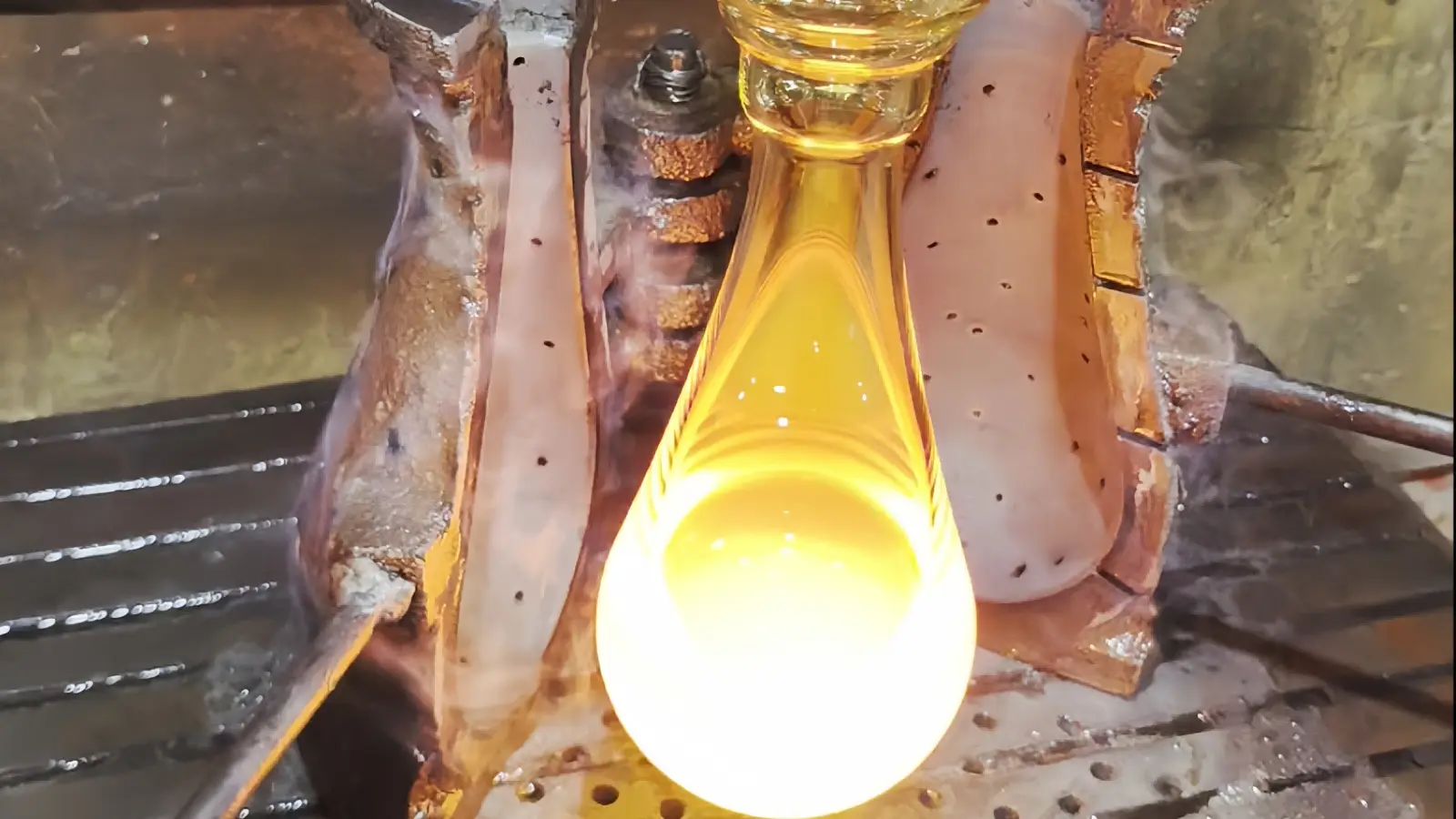
pressing machine. The pressing machine presses the glass into
the mold through mechanical pressure to ensure that the glass fills
every corner and texture. Applying pressure in the glass molding
process must be carefully tailored to the shape, thickness, and
type of glass material to achieve optimal results.
including appearance, size, surface finish, and internal defects.
Any unqualified products are returned to the furnace for remelting.
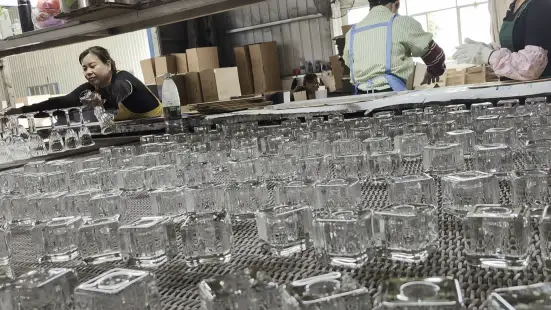
to prevent cracking or deformation caused by excessive cooling,
thus ensuring the structural stability of the finished product.
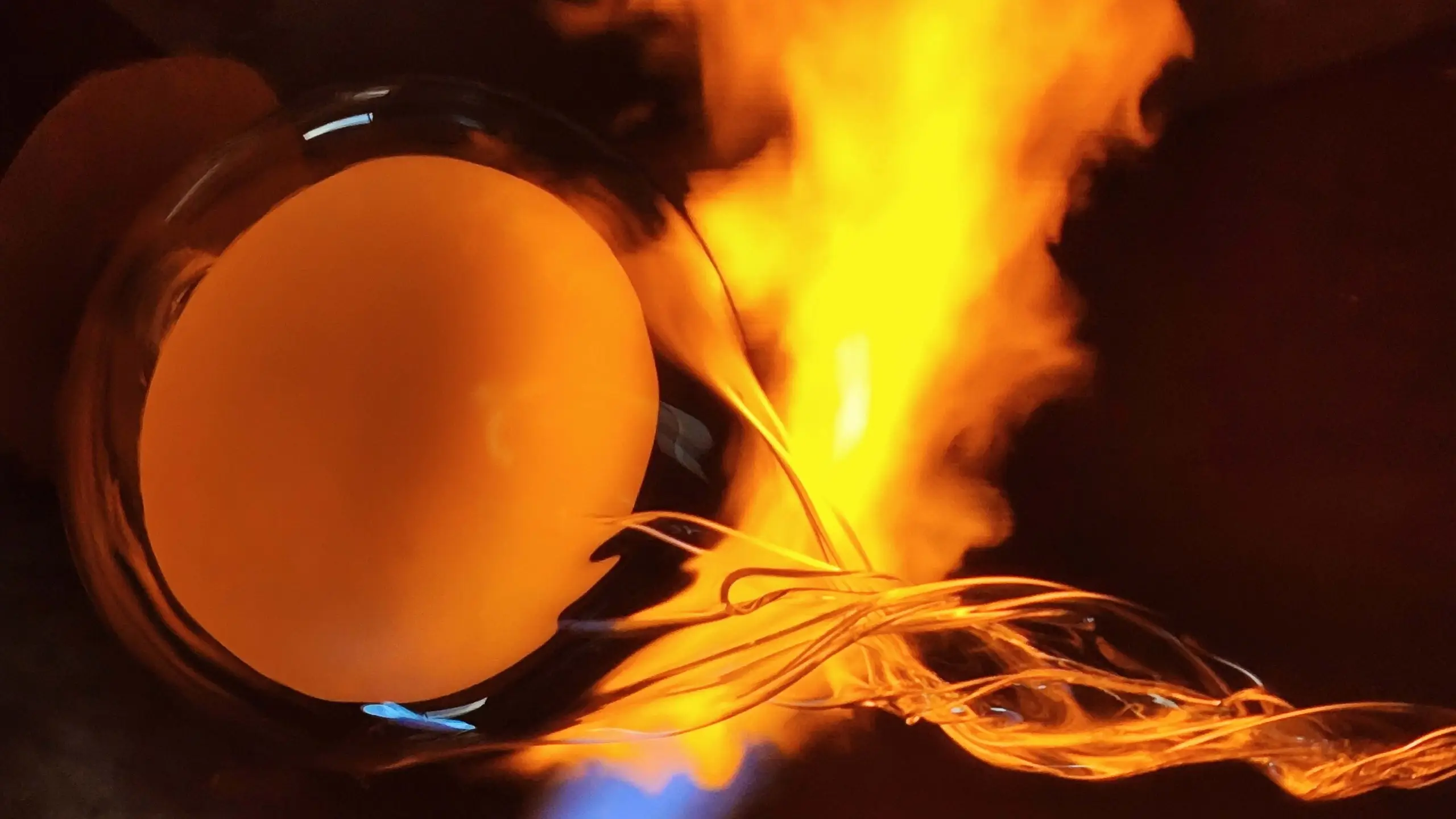
flames to instantly melt the glass surface to eliminate microscopic
defects, which can significantly improve the smoothness and light
transmittance of glass products.
in laser and waterjet precision machining for bespoke glass
components. Our China-based manufacturing center integrates
state-of-the-art CO₂ laser cutters (±0.1mm accuracy) and ultra-high-
pressure waterjet systems (60,000+ PSI) to handle intricate
geometries, thick borosilicate glass, and multi-layer composites.
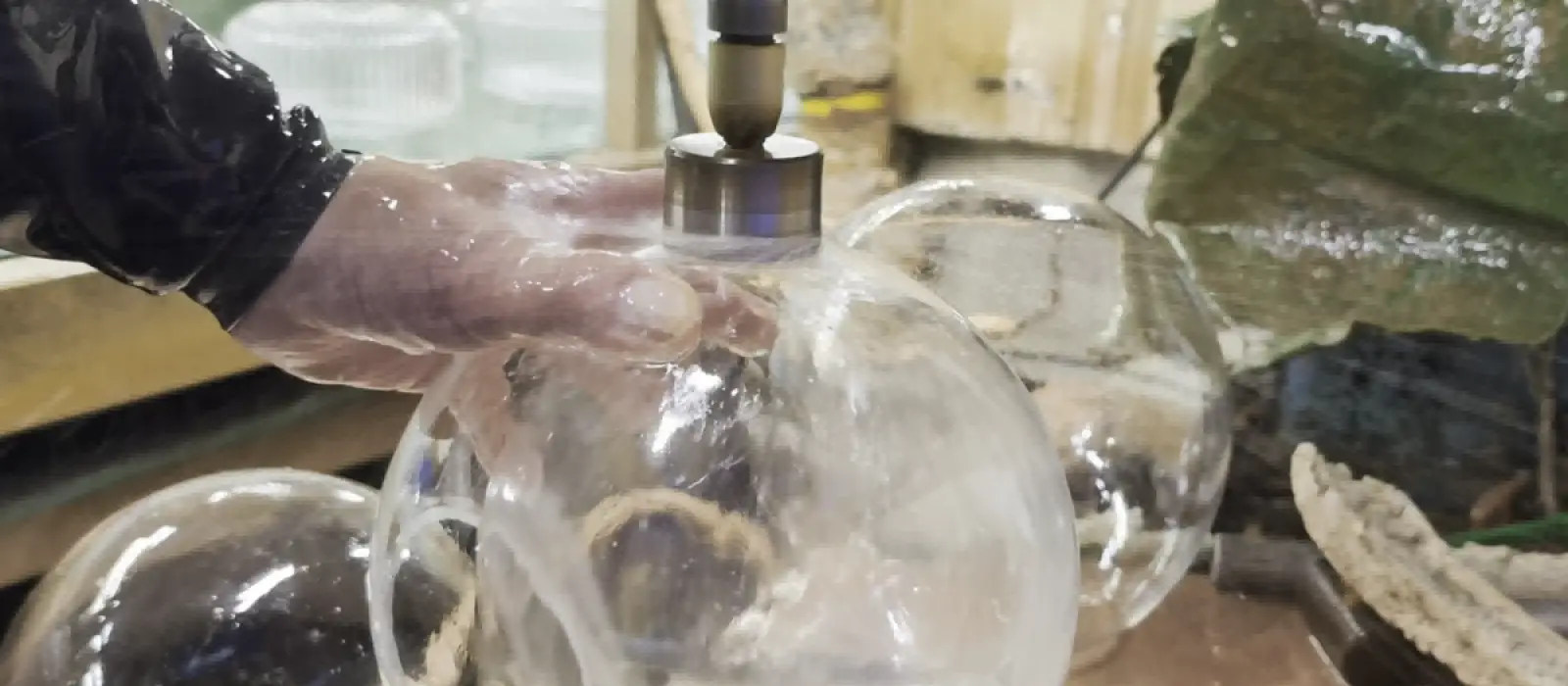
remove unevenness and processing residues on the glass surface,
ensuring accurate product size and consistent shape. From initial
shaping to fine finishing, we use intelligent process control to achieve
efficient production, reduce material loss, and provide a uniform and
delicate base surface for subsequent polishing.
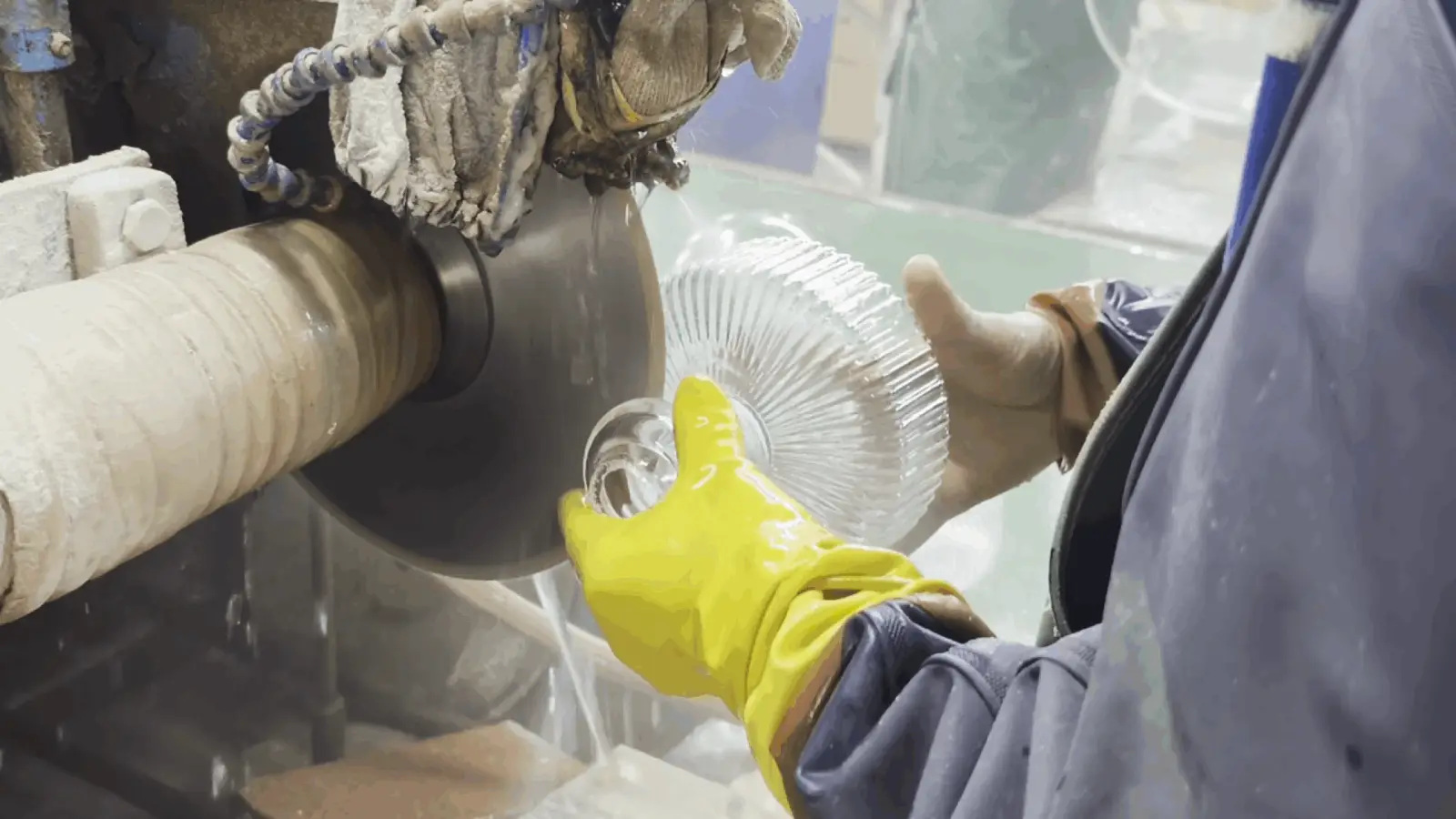
glass last longer. Rough edges can cut you or weaken the glass,
causing cracks. At BOGLASS, we fix that.Using high-tech machines, we
shape glass edges to be perfectly smooth, angled, rounded, or flat
—whatever your project needs. No sharp corners.
contaminated. Any useless substance and energy on the surface is a
pollutant, and any treatment will cause pollution. Surface pollution can
be gas, liquid or solid in terms of its physical state, and it exists in the
form of film or particles.
premium-quality packaging solutions that showcase your
products in their most elegant light.
Our production process
BO-GLASS specializes in customized glass molding services, offering end-to-end solutions from prototype development to mass production. Our China-based facility features a 10-ton daily capacity borosilicate glass furnace, in-house tempering ovens with high-pressure air quenching systems for rapid cooling, and comprehensive post-processing equipment including precision cutting, polishing, and grinding. We deliver high-quality glass components of any size or complexity, supported by expert technical guidance, optimized production workflows, and seamless design-to-manufacture transitions, ensuring efficient project execution with competitive pricing and tailored engineering solutions.

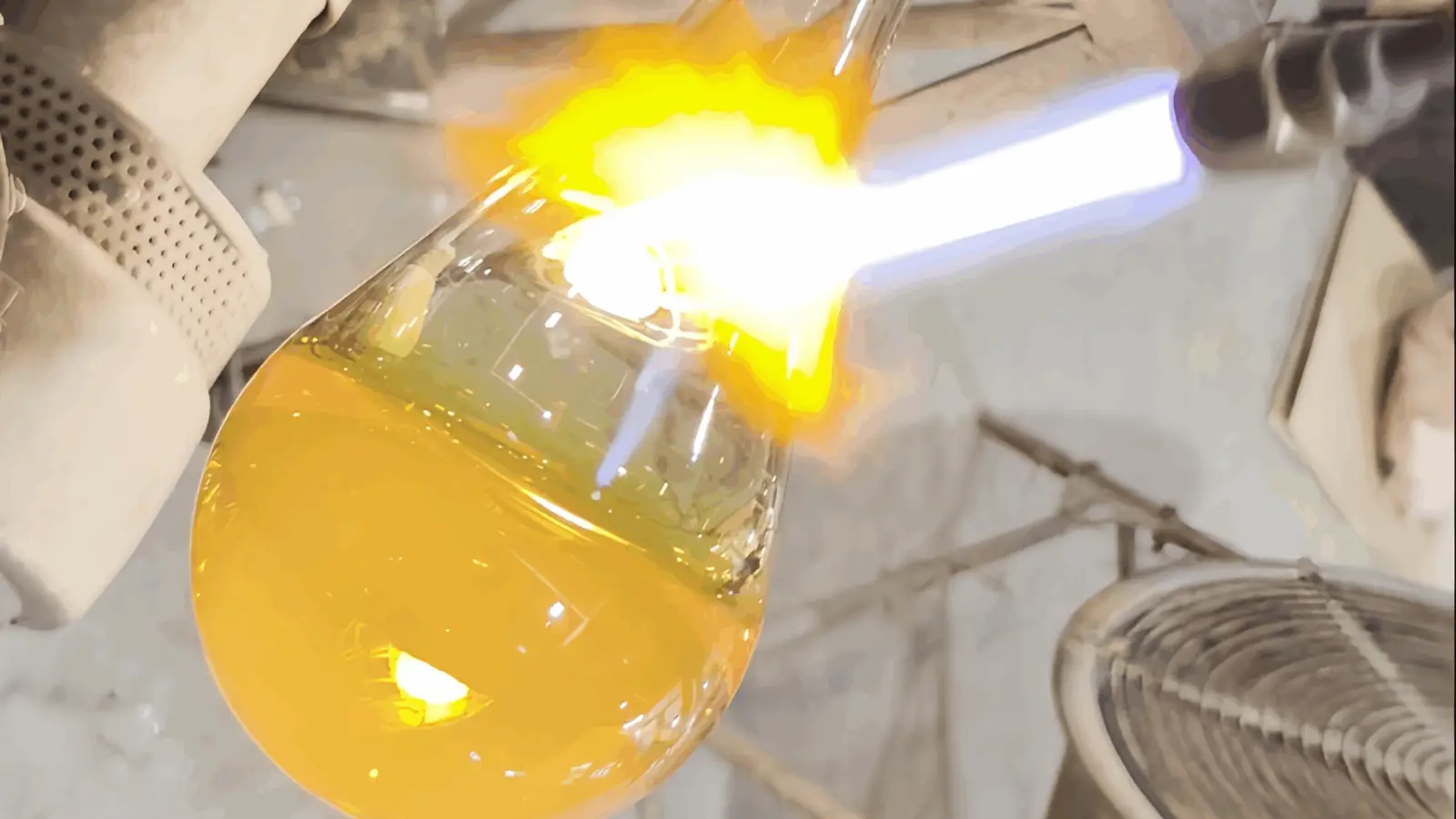
Raw materials: silica sand, limestone, soda ash, broken glass (reduced cost) Continuous furnace: 1200-1500°C high temperature, suitable for large-scale production

Flexible control of temperature and time, suitable for small batches/special glass

The preheated mold and molten glass droplets are placed in the pressing machine. The pressing machine presses the glass into the mold through mechanical pressure to ensure that the glass fills every corner and texture. Applying pressure in the glass molding process must be carefully tailored to the shape, thickness, and type of glass material to achieve optimal results.

After demolding, glass products undergo a series of inspections, including appearance, size, surface finish, and internal defects. Any unqualified products are returned to the furnace for remelting.

The internal stress of the glass is eliminated through gradient cooling to prevent cracking or deformation caused by excessive cooling, thus ensuring the structural stability of the finished product.

Flame polishing is a sophisticated process that uses high-temperature flames to instantly melt the glass surface to eliminate microscopic defects, which can significantly improve the smoothness and light <br/>transmittance of glass products.

BO-GLASS masters advanced glass cutting technologies, specializing <br/>in laser and waterjet precision machining for bespoke glass <br/>components. Our China-based manufacturing center integrates <br/>state-of-the-art CO₂ laser cutters (±0.1mm accuracy) and ultra-high-pressure waterjet systems (60,000+ PSI) to handle intricate geometries, thick borosilicate glass, and multi-layer composites.

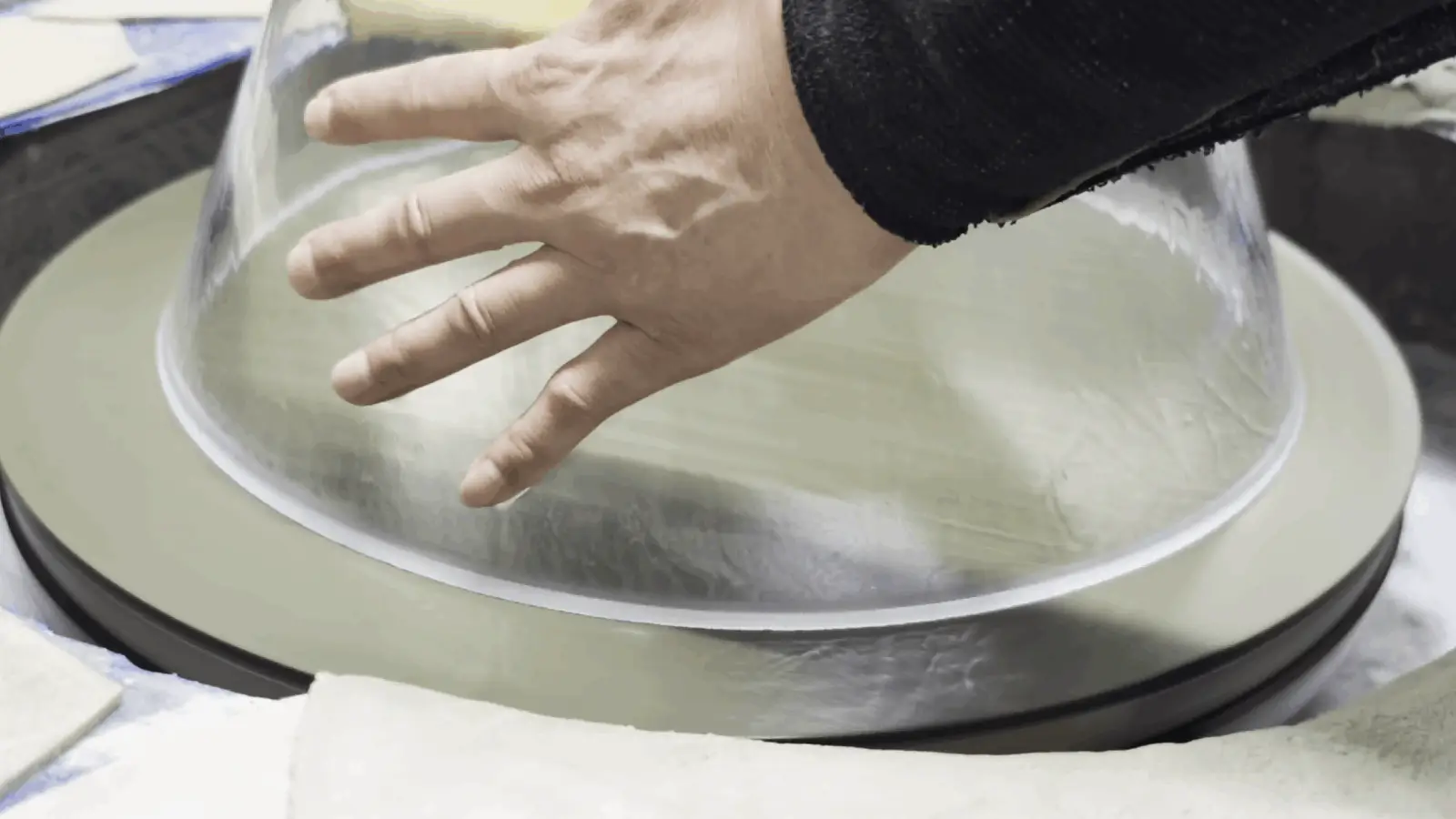
BO-GLASS uses multi-stage precision grinding technology to quickly remove unevenness and processing residues on the glass surface, ensuring accurate product size and consistent shape. From initial shaping to fine finishing, we use intelligent process control to achieve efficient production, reduce material loss, and provide a uniform and delicate base surface for subsequent polishing.

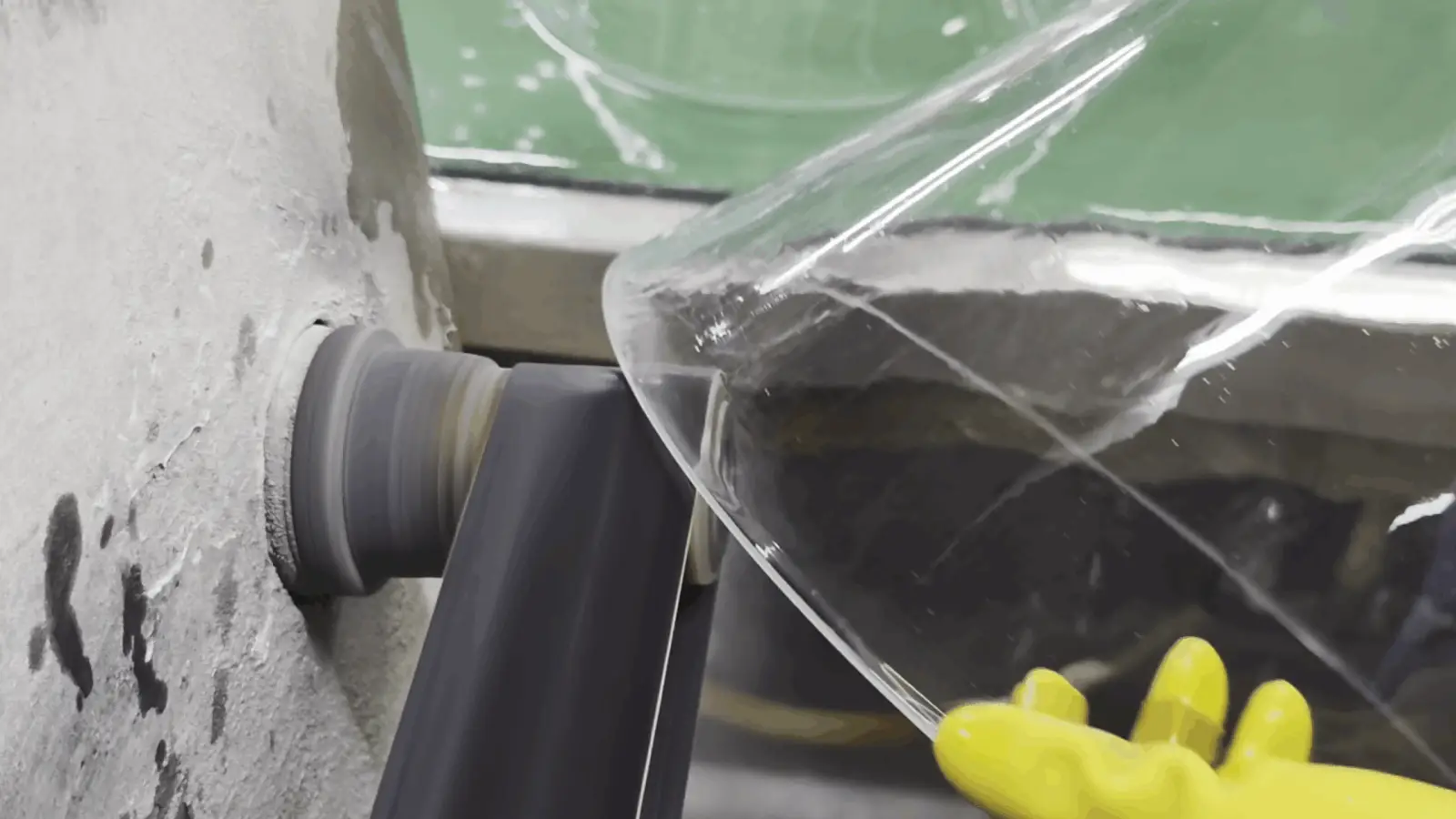
Glass edges aren’t just about looks—they keep you safe and make glass last longer. Rough edges can cut you or weaken the glass, causing cracks. At BOGLASS, we fix that.Using high-tech machines, we shape glass edges to be perfectly smooth, angled, rounded, or flat—whatever your project needs. No sharp corners.

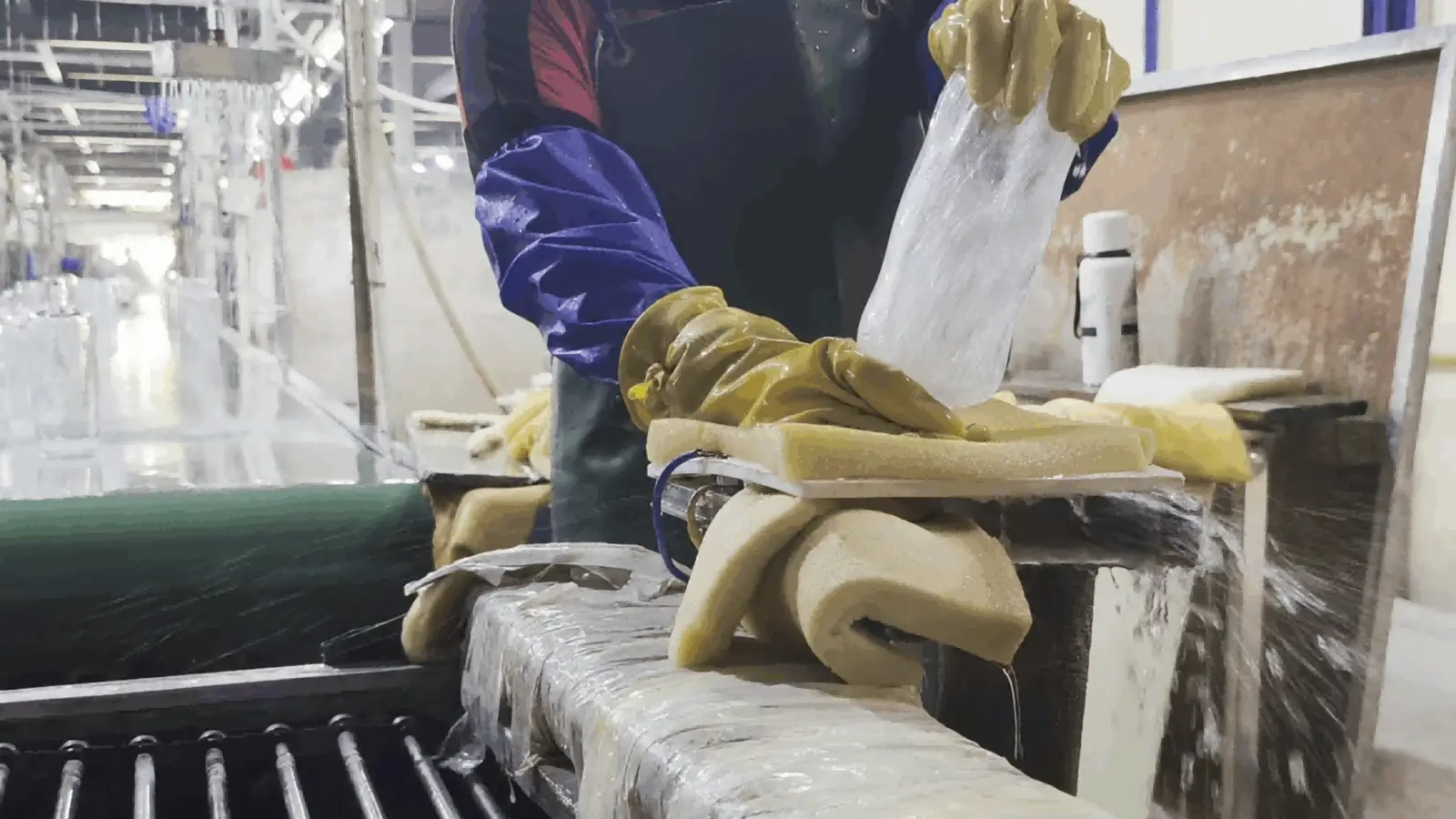
Glass surfaces exposed to the atmosphere are generally contaminated. Any useless substance and energy on the surface is a pollutant, and any treatment will cause pollution. Surface pollution can be gas, liquid or solid in terms of its physical state, and it exists in the form of film or particles.

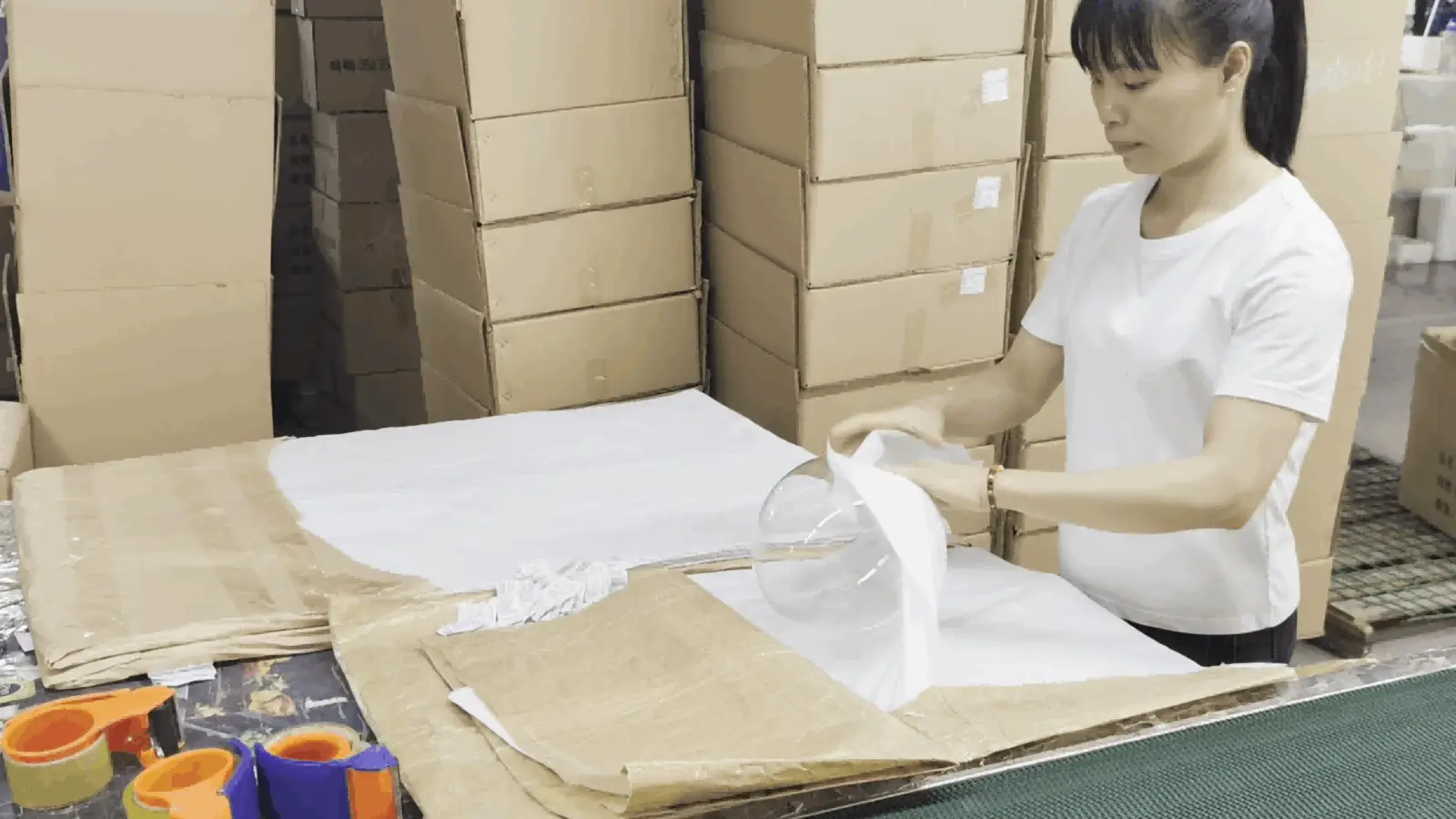
Our team of highly-trained packaging specialists will expertly craft premium-quality packaging solutions that showcase your products in their most elegant light.
Materials
Opal glass (also known as milk glass) is produced by adding specific compounds such as fluorides, phosphates, or oxides to standard glass. These additives create tiny particles within the material that scatter light effectively, giving the glass its smooth, semi-transparent, milky white appearance. This unique property allows light to be distributed softly and evenly, making it ideal for lighting applications.
When heated, opal glass softens uniformly, allowing it to be easily shaped into various lamp shade designs. Its consistent milky finish not only enhances visual appeal but also effectively conceals bulbs and internal components, ensuring a clean and refined look.
Why Opal Glass is Ideal for Blown Lampshades
- Easy to shape: Softens evenly at high temperatures, making it suitable for forming complex and precise shapes.
- Soft, glare-free lighting: Light-scattering particles (such as fluorides and phosphates) create a smooth, diffused glow that reduces harsh brightness.
- Aesthetic and functional: Provides a high-quality, elegant finish while hiding internal components like bulbs and wiring.
- Durable and stable: Resistant to heat and chemicals, maintaining its appearance and performance over time.
- Efficient production: Well-suited for large-scale manufacturing, especially through machine blowing processes.
Order Process
01
Inquiry & Confirmation
We receive your inquiry and confirm all product details, specifications, quantity, color, size, and requirements.
02
Quotation and Sample Preparation
Prepare and send the quotation. Once confirmed by the customer, create the sample.
03
Sample Delivery and Feedback
Deliver the sample to the customer, gather feedback, and confirm the sample meets requirements.
04
Bulk Order Confirmation and Production
Once the sample is approved, confirm the bulk order, verify details, and start mass production.
05
Quality Inspection and Packaging
Conduct quality checks after production to ensure standards are met and packaged as required.
06
Shipping and Delivery
Talk With US
Mingjing Machinery is dedicated to being your premier partner for custom surface finishing and roller coating automation. From single-machine integrations to full-scale automated production lines, we engineered optimized workflows to meet your exact technical specifications with maximum cost-efficiency.
- Free Technical Consultation & Layout Design
- Detailed Technical Specifications & Video Case Studies
- Strict Mechanical Inspection & Global On-site Commissioning
- 100% Customized Engineering to Your Substrates
- Rapid Response from Expert Technical Team
- On-Time Project Commissioning & Delivery Guaranteed
- Direct Factory Source with 20+ Years Expertise